
Regenerative Farming in Action
Explore regenerative agriculture practices used by farms featured through FarmHero. Learn how techniques such as crop rotation, cover crops, composting, and reduced tilling improve soil health and strengthen ecosystems.
Facilitation Tips and Potential Student Answers
Be sure to scroll to the bottom of the Educator Overview until you see STUDENT CONTENT BELOW THIS LINE. Interleaved in the Student Content section, you will see educator facilitation tips and potential student answers displayed in red, italic text when applicable.
Title:
Regenerative Farming in Action
Description:
Explore regenerative agriculture practices used by farms, and learn how techniques such as crop rotation, cover crops, composting, and reduced tilling improve soil health and strengthen ecosystems.
Target Grade Level:
Grades 5-8
Discipline or Course (Audience):
Physical Science, Earth Science, Life Science, Environmental Science, Biology, Agriculture, CTE, Sustainability, Civics
Time Frame:
One 45-minute session
Suggested Grouping:
Individual
Key Vocabulary:
soil, organic matter, inorganic matter, humus, microorganisms, minerals, soil formation, nutrients, soil ecosystem, regenerative agriculture, topography, weathering
Educator Prep:
Recommended Student Background Knowledge and Skills:
- Students should know that soil is a living system and that soil health affects crop health.
Special Population Accommodations:
Recommendations for supporting English Language Learner (ELL) students:
- Follow district guidelines for supporting ELL students.
- Consider sensory supports such as physical movement or podcasts.
- Use graphic organizers, anchor charts, and visuals to support and scaffold.
- Offer sentence frames and/or academic discourse stems for tasks such as explaining reasoning or comparing and contrasting ideas.
- Pre-teach vocabulary within the content.
- Pair with a peer buddy and assign a bilingual or high-proficiency English-speaking peer for support.
- Create opportunities for multiple ways to demonstrate understanding, such as through visual, oral, or written means.
- Model thinking out loud to showcase reasoning and problem-solving skills.
Recommendations for supporting Gifted & Talented (GT) students:
- Follow district guidelines for supporting GT students.
- Gifted students thrive when given choices and opportunities to explore the complexities of the content.
- Encourage students to explore across disciplines.
- Allow for opportunities for self-directed inquiry and research.
- Encourage reflection on learning strategies and thinking processes used.
- Provide executive functioning support and check-ins as needed.
Recommendations for supporting students with Individualized Education Plans (IEPs) and 504s:
- Follow the required accommodations based on the student's IEP or 504 plan.
- Provide small-group and individualized instruction as needed.
- Reduce cognitive load through chunking, scaffolding, and visual supports.
- Offer feedback frequently.
- Allow for extended time.
- Allow for breaks as needed.
- Provided modeled examples and clear single-step instructions prior to students engaging in independent or group work.
- Review evidence-based interventions providing support in small groups or individualized support as needed.
Remote Learning Adaptations:
This activity is appropriate for remote learning; no adaptations or modifications are necessary.
STUDENT CONTENT BELOW THIS LINE
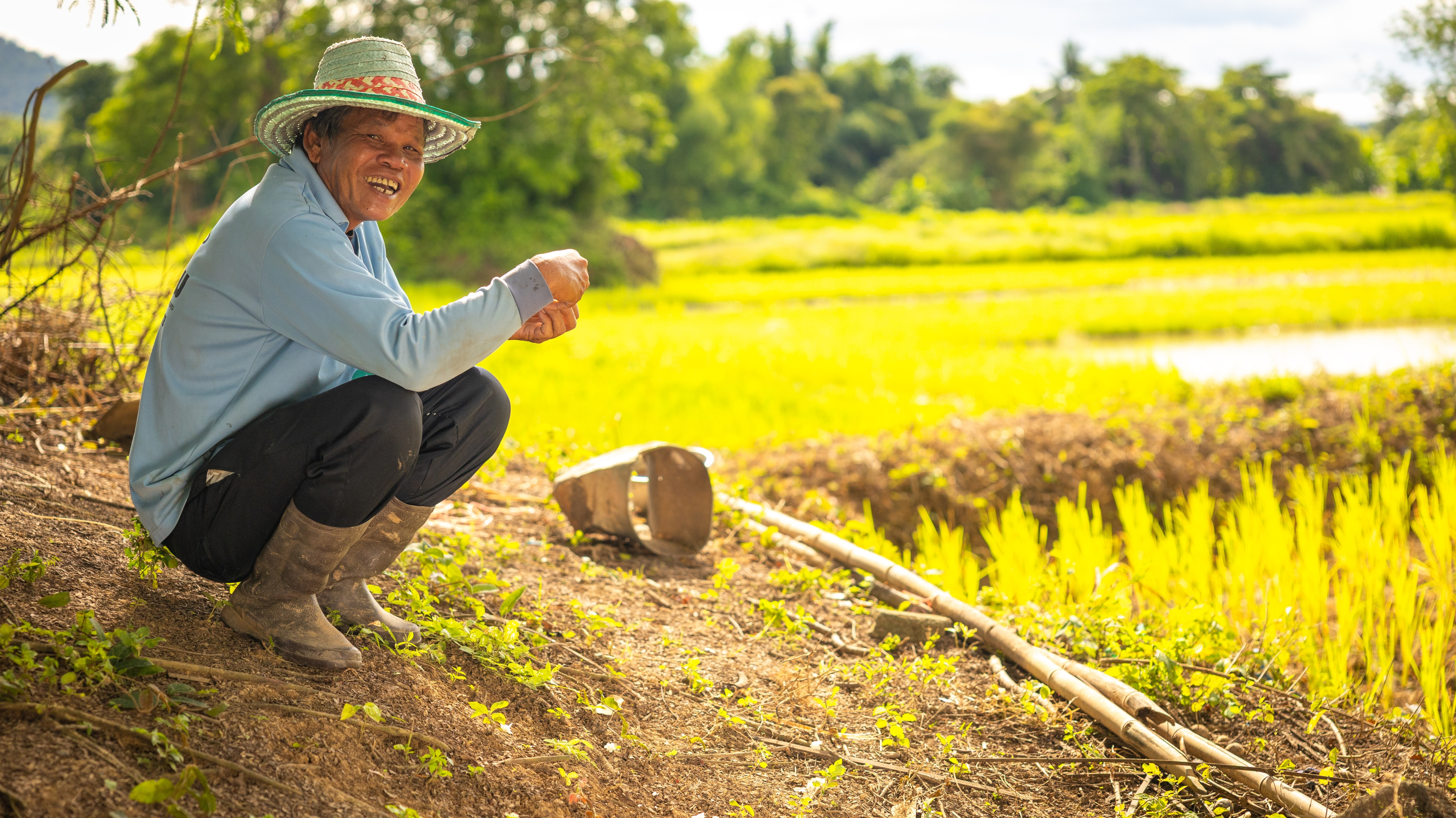
Many regenerative farming practices have been used in various parts of the world across thousands of years. Rather than inventing new technologies, some of the most effective techniques involve returning to these tried-and-true methods. These practices can reduce additional costs to farmers who might otherwise rely on expensive machinery, and can reduce pollution from human-made fertilizer chemicals and pesticides.
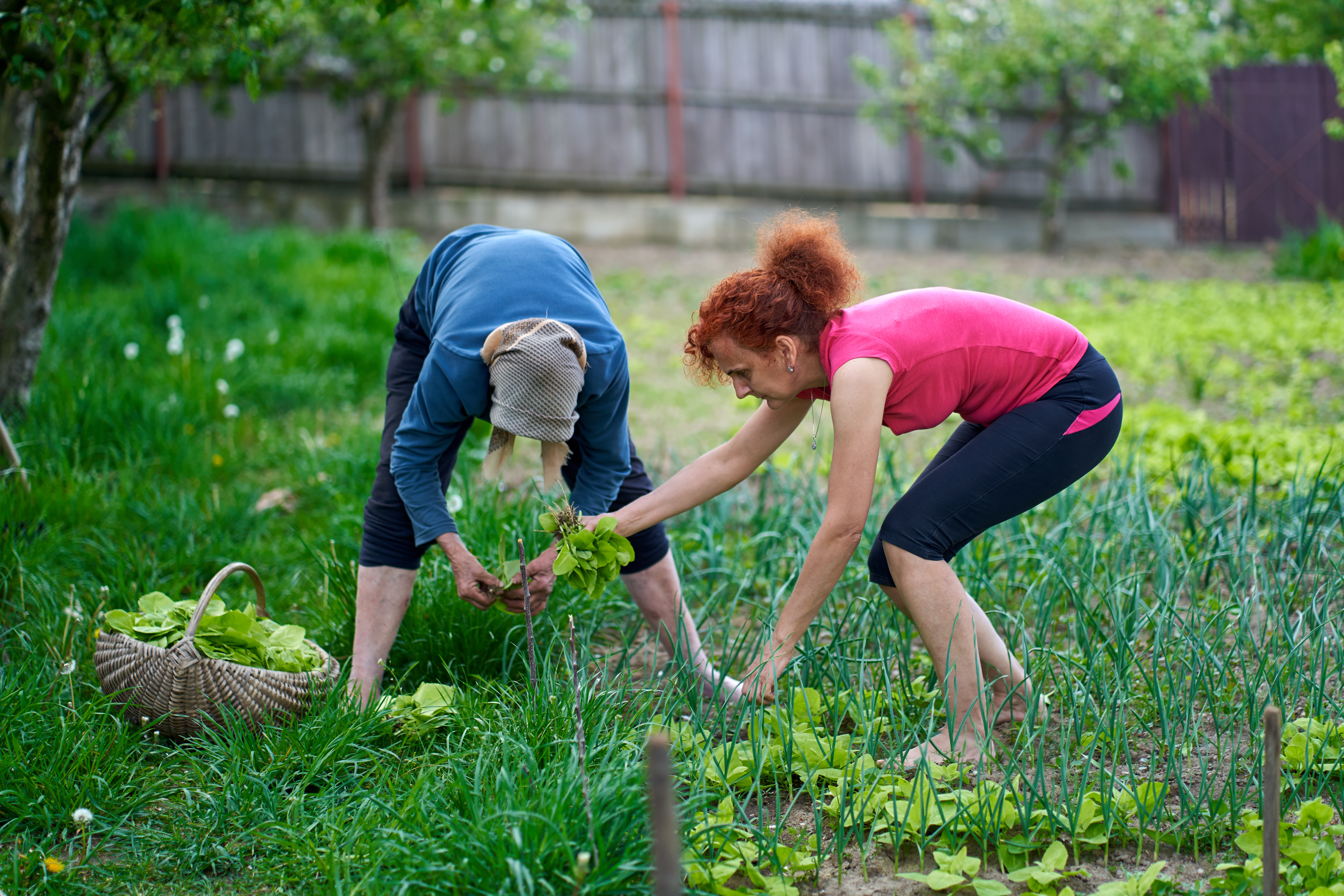
Farmland that is less contaminated supports healthier ecosystems from the ground up: healthier fungi and bacteria in the soil, healthier plants growing with help of the bacteria and fungi, healthier insects and other animals pollinating and feeding on the plants, and healthier humans who are not being poisoned by exposure to toxic chemicals. Regenerative farming can increase the nutritional value of food crops, which improves the health of the people and animals who consume those crops. There are so many reasons to promote regenerative farming. Let’s see it in action!

Materials:
- Device with internet access
Safety Notes:
- When using technology, engage in safe, legal, and ethical behavior; this applies to devices (hardware), applications or programs (software), and interactions with others.
- There are no anticipated physical safety risks associated with this activity.
Essential Question:
How can the way we farm help or harm the soil and the living things that depend on it?
Regenerative Farming Techniques:
As you read, look for ways each farming technique can harm or help the soil, plants, animals, and people.
There are many techniques that can be used to regenerate the soil and promote healthy crops. While some of them are dependent upon the climate and topography of the geographical area, others can be applied anywhere in the world, and at any scale from a backyard garden to a commercial farm that spans hundreds or thousands of acres. Here are some of the most broadly applicable techniques.
Crop Rotation:
Crop rotation is when farmers or gardeners deliberately change which plants are growing in which locations. Intensive agriculture practices often involve monocropping (cultivating plants from the same family) on the same land season after season, which can deplete the soil of the nutrients used most by that plant family. Intensive monocropping can also promote the flourishing of pests and weeds adapted to that crop system. This flourishing of pests and depletion of nutrients can lead farmers to rely on pesticides and synthetic fertilizers, both of which can be toxic.
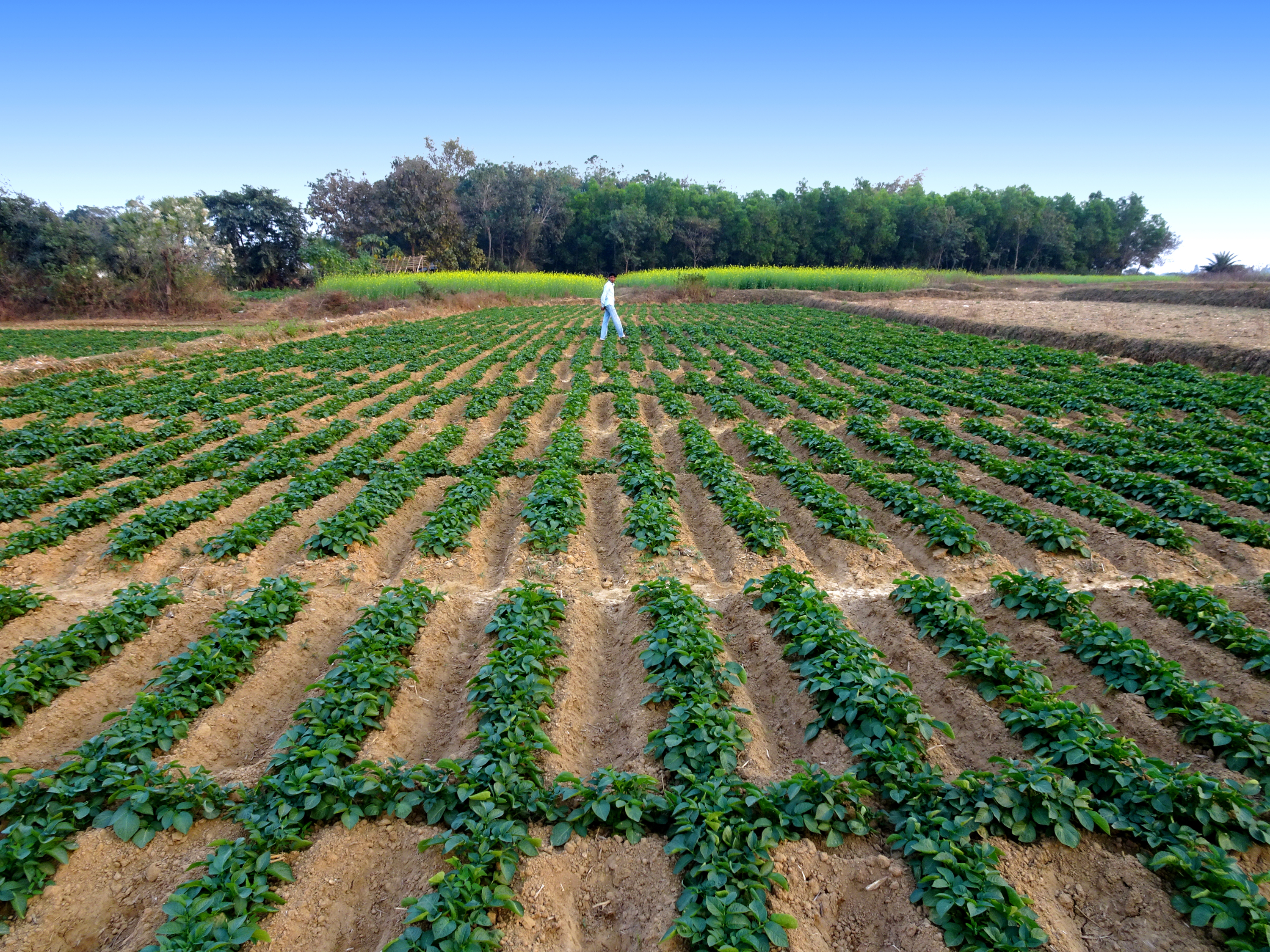
Rotating crops can increase harvests, improve nutrients and organic matter in the soil, and help disrupt the life cycles of crop pests, which can reduce the use of pesticides. To be most effective, crop rotation occurs over a cycle of three to four years, during which crops from a certain plant family are only sown and harvested once, followed by crops from other plant families. Cover crops can be used in a system of crop rotation, especially when leaving an area fallow (meaning no crop seeds intended for harvest are planted for a certain period of time).
Think About It:
- What problems does monocropping cause?
- How does crop rotation help to solve those problems?
- What might happen if farmers didn’t use crop rotation?
Sketch It Out:
Draw a quick sketch of how you envision crop rotation on a farm.
Cover Crops:
A cover crop is any plant that is deliberately cultivated to cover, protect, or enrich the soil, rather than being cultivated to harvest for its own value. Benefits of using cover crops can include controlling erosion, reducing soil compaction, and increasing moisture and nutrient content of soil. Cover crops can also suppress weeds, improve the harvest yield potential, attract pollinators such as bees and butterflies, and provide habitat and food for beneficial insects and other wildlife.

Think About It:
- What is the purpose of a cover crop?
- How do cover crops support soil and local wildlife?
Composting:
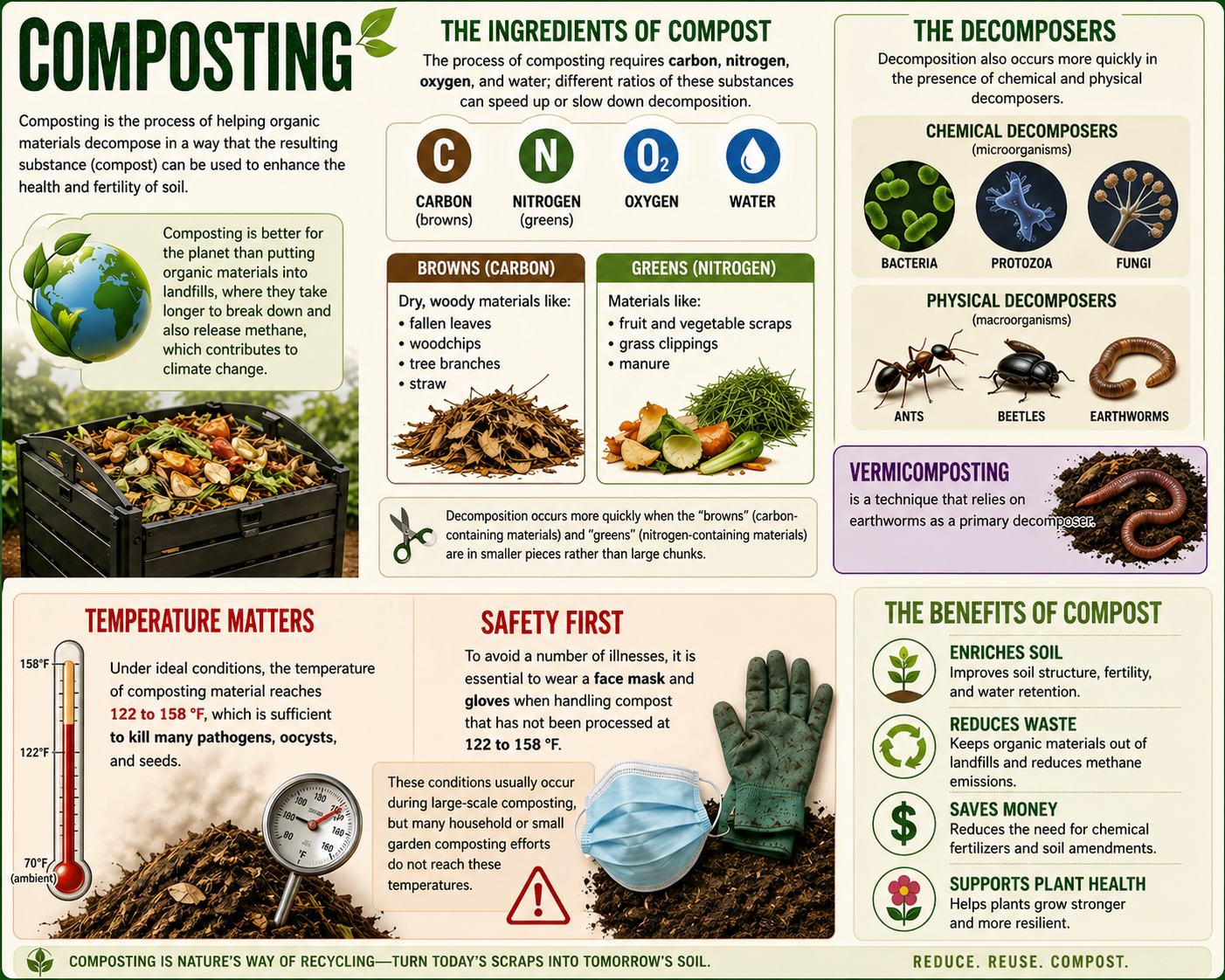
Composting is the process of helping organic materials decompose in a way that the resulting substance (compost) can be used to enhance the health and fertility of soil. Composting is better for the planet than putting organic materials into landfills, where they take longer to break down and also release methane, which contributes to climate change. The process of composting requires carbon, nitrogen, oxygen, and water; different ratios of these substances can speed up or slow down decomposition. The carbon can be sourced from dry, woody materials like fallen leaves, woodchips, tree branches, or straw. The nitrogen can come from items like fruit and vegetable scraps, grass clippings, or manure. Decomposition occurs more quickly when the “browns” (carbon-containing materials) and “greens” (nitrogen-containing materials) are in smaller pieces rather than large chunks. Decomposition also occurs more quickly in the presence of chemical and physical decomposers. Chemical decomposers include bacteria, protozoa, and fungi. Physical decomposers include ants, beetles, and earthworms. Vermicomposting is a technique that relies on earthworms as a primary decomposer.
Under ideal conditions, the temperature of composting material reaches 122°F to 158°F, which is sufficient to kill many pathogens, oocysts, and seeds. These conditions usually occur during large-scale composting, but many household or small garden composting efforts do not reach these temperatures. Therefore, to avoid a number of illnesses, it is essential to wear a face mask and gloves when handling compost that has not been processed at 122°F to 158°F.
Think About It:
- What materials are needed for composting?
- How do decomposers help the process of composting?
Sketch It Out:
Imagine you are composting at home or school. What could you add to the compost bin?
Make a list or draw a picture of what can go into a home or school composting bin.
Reduced Tillage:
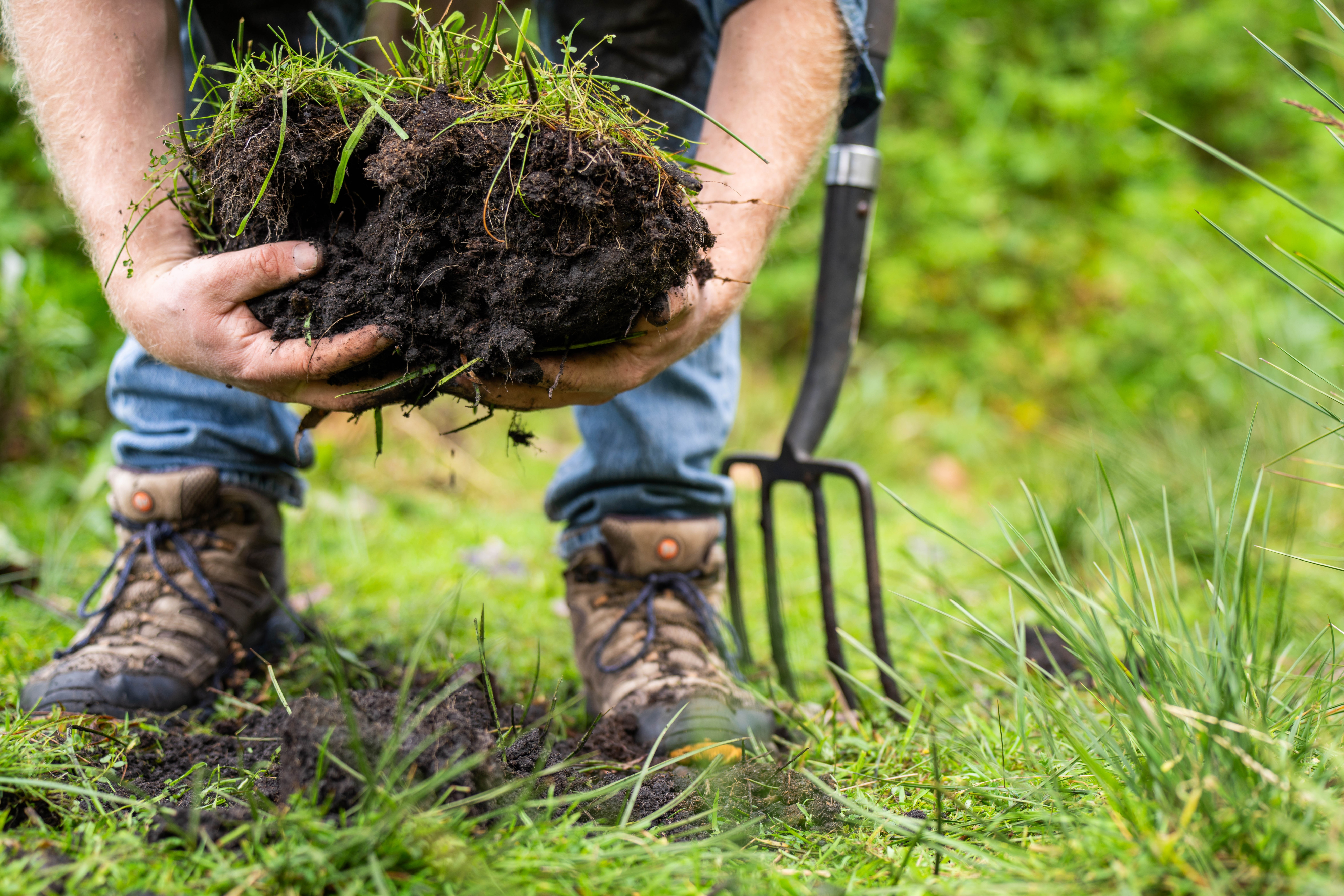
Tillage is the disruption of the soil for the purpose of growing plants. Methods include raking, hoeing, shoveling, and plowing. Tilling the soil destroys its natural structure. This can increase erosion and can also compact the soil, making it harder for water to infiltrate, for plant roots to grow, and for nutrient cycling to occur. Reduced tillage or no-till farming protects the soil’s structure, promoting healthier soil organisms. Good soil structure helps water to infiltrate the soil rather than running off the surface or pooling on the surface, both of which can inhibit plant growth and nutrient cycling.
Think About It:
- What happens to the soil when it is tilled?
- Why is the soil structure important?
Reflect and Apply:
- Have you used any regenerative agriculture techniques in a garden, yard, or farm?
- Do you know of any local gardens or farms that use regenerative techniques?
- Which of the four techniques discussed do you think would be the easiest to implement? Why?
- Using what you’ve learned, explain: One way farming can harm soil and ecosystems. One way farming can help soil and ecosystems. How these changes affect plants, animals, and people.
You may choose to write a short response, create a labeled diagram, or talk through your thinking with a partner before you begin writing or sketching.
Knowledge Check / Exit Ticket:
Now that you’ve explored different regenerative farming techniques, think about their impact in your own community. In your digital or paper notebook, answer the following question:
Which regenerative farming technique would have the greatest impact on soil health in your community? Use evidence from the text to support your claim.
Related Resources
-

Diagram
This photo shows a smiling farmer resting by a field of rice.
-
Diagram
This photo shows hands holding healthy dark soil; a pitchfork stands upright behind the farmer.
-
Diagram
This photo shows a farmer holding a sickle in a mustard field.
-
Diagram
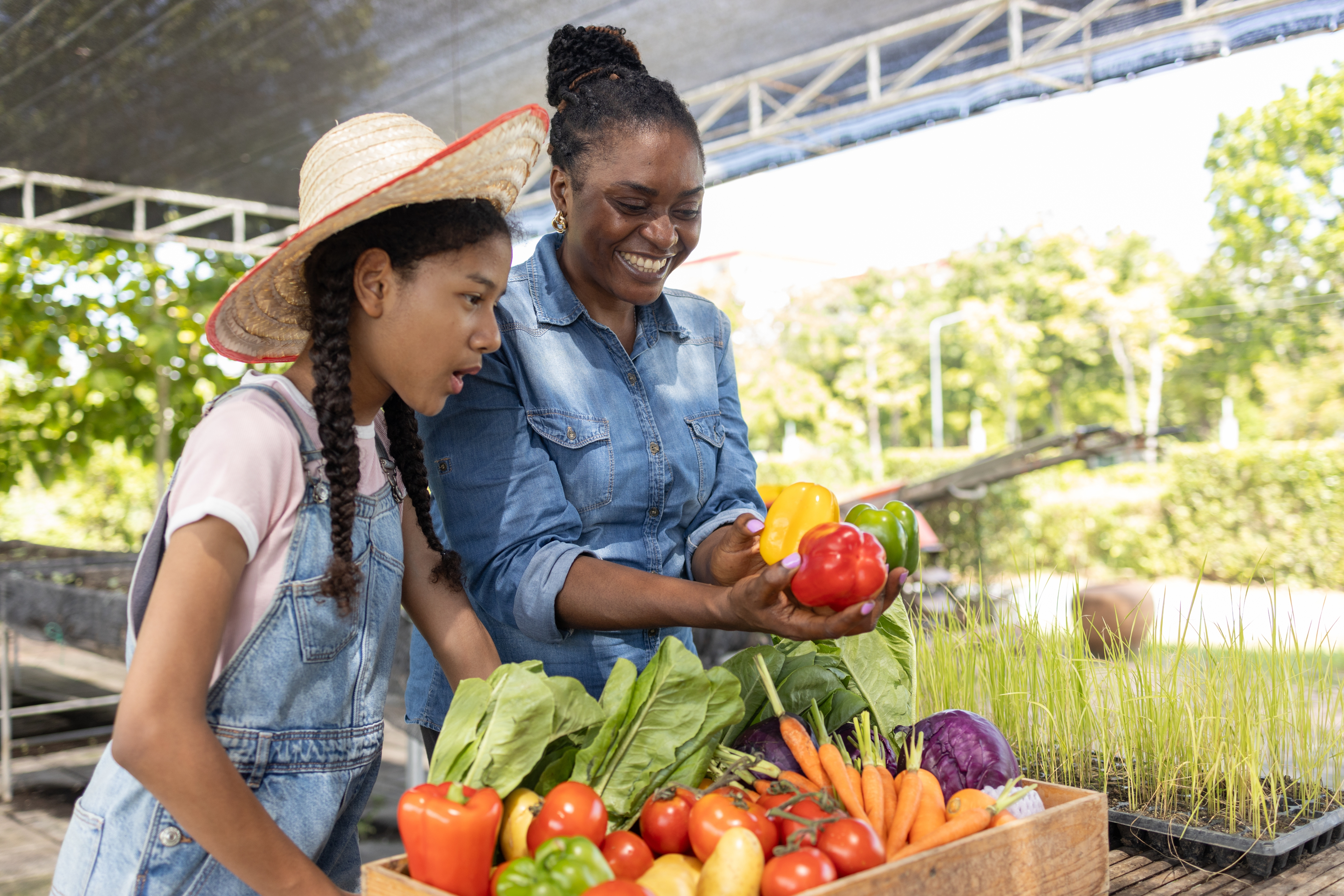
This photo shows two farmers holding freshly harvested healthy food.
-
Diagram
This photo shows a child holding a rabbit in a field of crimson clover, which is a common cover crop.
-
Diagram
This photo shows a field that has been planted with a monocrop of potatoes.
-
Diagram
This infographic explains what compost is and how the process of composting works.