
Civics in the United States of America

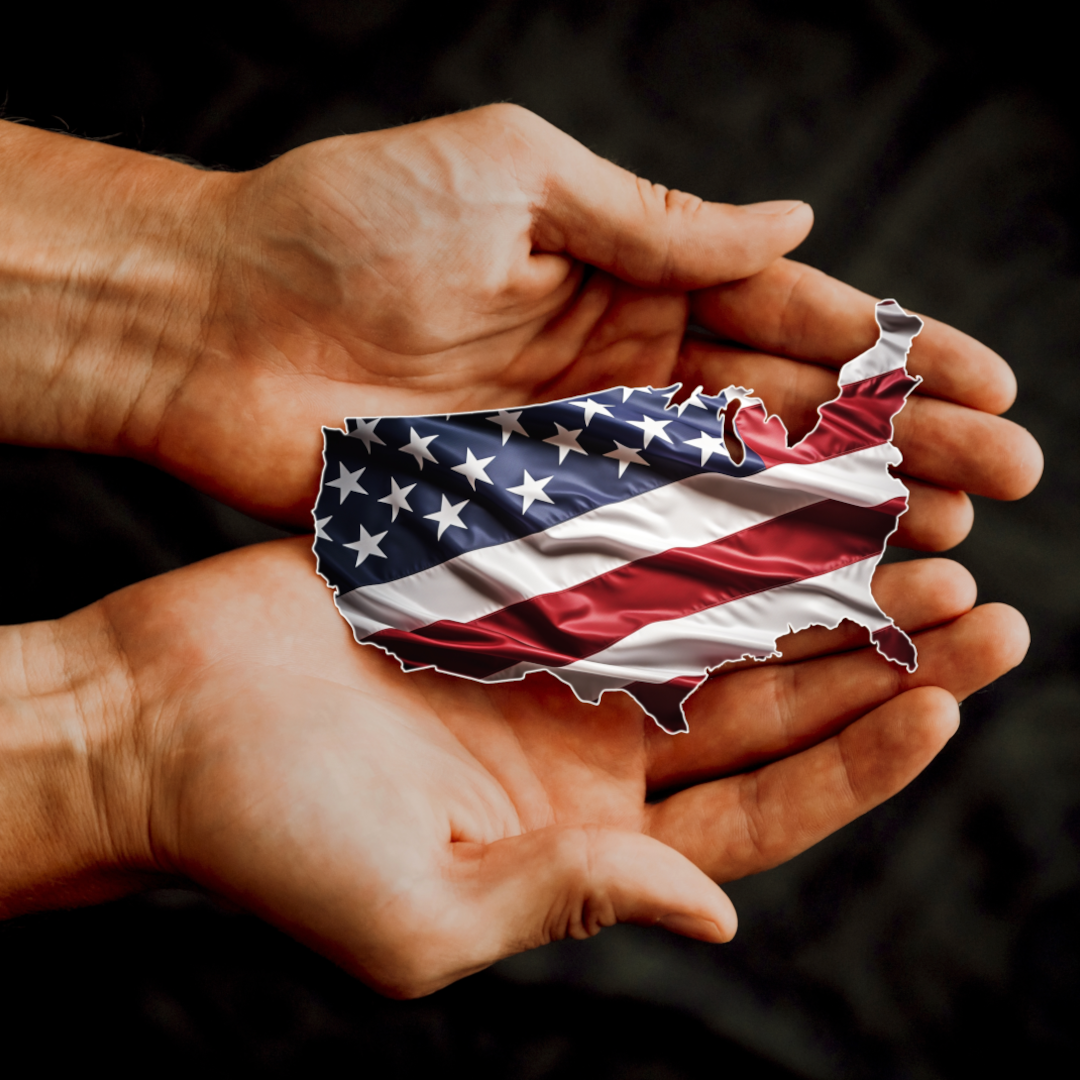
Civics in the United States of America invites students to explore the foundations of democracy through real-world connections and meaningful inquiry. In this collection, students explore the principles that shape our nation, analyze foundational documents, and examine how federal and state governments function today. Along the way, they build a deep understanding of civic responsibility and the role that individuals play in shaping their communities.

This experience is designed to move beyond content knowledge. Students are asked to think critically, evaluate multiple perspectives, and make informed decisions about issues that matter in today’s world. The collection culminates in a Civic Action Project-Based Learning challenge, where participants design and propose a solution to address an issue in their community, state, or nation, moving from understanding to action.

Acknowledgements:
This collection was developed with JASON Learning and with the generous support of the Mollohan Foundation. 

The Beginnings: Foundations of American Government

In this stage, students will:

  • Explore the origins and purpose of the US Government
  • Analyze foundational documents, including the Constitution and Bill of Rights
  • Examine the principles of democracy

Target Audience:

Grades 7-12

Key Concepts and Vocabulary:

Democracy, Constitution, Bill of Rights, Rule of Law, Federalism

The National Government

In this stage, students will:

  • Investigate how federal, state, and local governments function today
  • Explore Civics in Action in our communities and beyond

Target Audience:

Grades 7-12

Key Concepts and Vocabulary:

authority, citizen, constitution, democracy, government, laws, representation, responsibility, rights, rules

The Rights and Duties of a Citizen

In this stage, students will:

  • Examine the rights guaranteed to U.S. citizens and how those rights are protected
  • Analyze responsibilities that come with citizenship in a democratic society.
  • Evaluate real-world opportunities and examples of civic participation and their impact on communities

Target Audience:

Grades 7-12

Key Concepts and Vocabulary:

rights, responsibilities, democracy, civic duty, citizenship

Civic Action PBL

In this stage, students will:

  • Identify a local community issue, research it, including the various stakeholders involved, and propose a solution. 
  • Present the solution to the local town council or a real-world audience.

Target Audience:

Grades 7-12

Key Concepts and Vocabulary:

Civic Responsibility, Advocacy, Civic Engagement

“When students engage in understanding the rights and responsibilities of our democracy and engage in real-world challenges, they begin to see themselves as active members of their community, able to take action.”

Dr. Eleanor SmalleyPresident and CEO, JASON Learning

Interested in Bringing JASON Learning to Your School?

For Superintendents & Principals:
Watch Recorded Demo
For Teachers & Classrooms:
Buy Online Now